Commercial Laminate Flooring vs. Traditional Hardwood
People searching for commercial laminate flooring or hardwood installation are typically looking to upgrade or replace their floors, and local contractors can help them choose and professionally install the best option for their space.
Choosing between commercial laminate flooring and traditional hardwood is a common consideration for property owners looking to enhance their spaces. Whether upgrading a retail storefront, office, or other commercial property, understanding the practical differences can help make informed decisions. Local contractors specializing in flooring installation can provide valuable insights into which option best suits specific needs, offering solutions that balance durability, appearance, and maintenance requirements. Exploring these options further can reveal the advantages each type offers, ensuring property owners select the flooring that aligns with their goals.
Property owners in the area often evaluate these flooring choices based on factors like longevity, ease of upkeep, and overall aesthetic appeal. Commercial laminate flooring tends to excel in high-traffic environments with its resistance to scratches and moisture, while traditional hardwood offers timeless beauty and a warm feel. Local service providers who specialize in both installation styles can assist in assessing the unique demands of each space, helping to match the right flooring type with the intended use. Continuing to explore the differences can empower property owners to make confident decisions that enhance their property's value and functionality.
Get Quotes for Commercial Laminate Flooring Or Hardwood Installation
- Commercial laminate flooring vs. traditional hardwood - local contractors can help determine the best flooring option based on durability needs and foot traffic in commercial spaces.
- Commercial laminate flooring vs. traditional hardwood - service providers can assess subfloor conditions and recommend suitable installation methods for each type.
- Commercial laminate flooring vs. traditional hardwood - local pros are experienced in handling installation challenges specific to commercial environments, ensuring a smooth process.
- Commercial laminate flooring vs. traditional hardwood - professionals can advise on maintenance requirements and long-term performance for both flooring options.
- Commercial laminate flooring vs. traditional hardwood - local contractors offer expertise in selecting the right materials to match aesthetic preferences and functional demands.
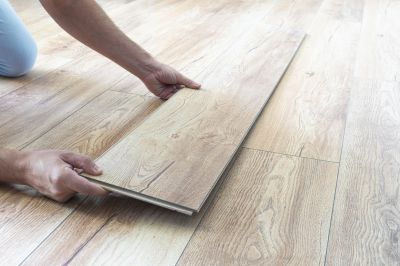
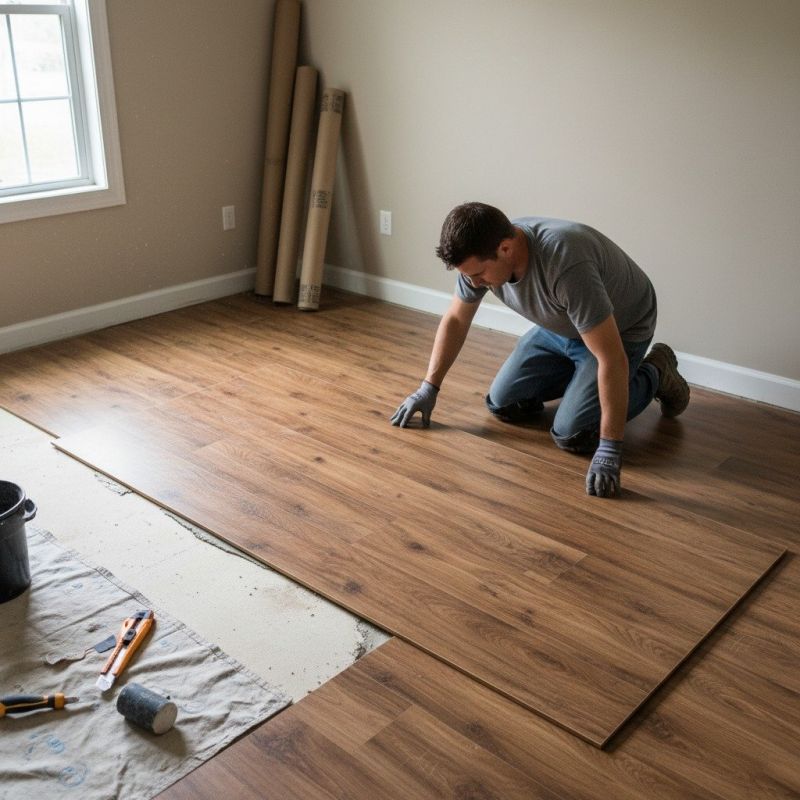
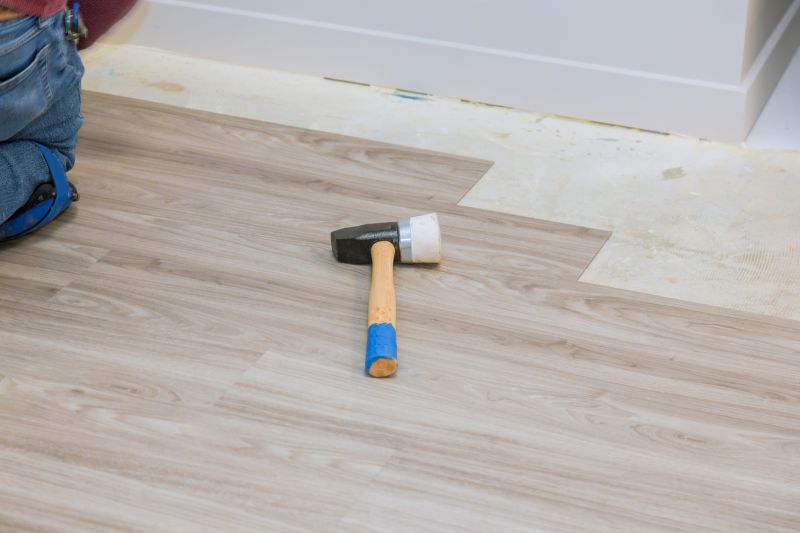
When people search for information about commercial laminate flooring vs. traditional hardwood, they are often trying to determine which flooring option best suits their specific project needs. This comparison typically relates to larger property upgrades, renovations, or new installations in spaces like retail stores, offices, restaurants, or other commercial environments. Homeowners may also explore this topic when considering durable flooring solutions for high-traffic areas within their residential properties. The goal is to understand the differences in appearance, durability, maintenance requirements, and overall longevity so they can make informed decisions about the best flooring type for their property.
This topic is closely connected to common problems or plans involving replacing or upgrading existing flooring, designing spaces that need to withstand heavy use, or achieving a specific aesthetic. Property owners often seek to balance cost considerations with long-term performance, especially in environments where flooring will be subjected to frequent foot traffic or potential impacts. Whether planning a complete overhaul or simply replacing worn-out flooring, understanding the distinctions between commercial laminate flooring and traditional hardwood helps property owners identify which solution aligns with their goals. Local service providers who specialize in flooring installation can evaluate the specific needs of each project and recommend the most suitable option based on these factors.
The types of properties that frequently come up in this comparison include commercial spaces such as retail outlets, office buildings, and hospitality venues, where durability and ease of maintenance are critical. Residential properties, particularly those with high-traffic areas like kitchens and hallways, also often prompt consideration of these flooring options. Homes with children or pets may lean toward commercial laminate flooring due to its resistance to scratches and moisture, while those seeking a classic appearance might prefer traditional hardwood. Local contractors experienced in both types of flooring can help property owners assess their space, consider the demands of daily use, and select the right material to meet their expectations.
Ultimately, understanding commercial laminate flooring vs. traditional hardwood involves recognizing how each material fits into the broader context of property design, usage, and maintenance plans. Homeowners and business owners alike should consider how their space will be used, the level of foot traffic, and their aesthetic preferences. Local flooring installation professionals can provide valuable insights into installation processes, material performance, and long-term care, ensuring that the chosen flooring supports the property's functional and visual goals. Connecting with experienced service providers makes it easier to navigate the decision-making process and achieve a result that aligns with the specific needs of each project.
Commercial Flooring Installation - professionals skilled in installing various flooring types, including laminate and hardwood, ensuring proper subfloor preparation and finishing techniques.
Interior Renovation Projects - contractors experienced in planning and executing space updates that often involve flooring choices similar to those used in commercial laminate or hardwood installations.
Office and Retail Space Fit-Outs - service providers capable of managing flooring installations that require durability and aesthetic appeal, paralleling the needs of commercial laminate and hardwood projects.
Subfloor Preparation and Repair - specialists who prepare surfaces for different flooring materials, a crucial step shared by both laminate and hardwood installation services.
Commercial Space Remodeling - contractors familiar with designing and updating large areas where flooring selection impacts overall functionality and style, similar to commercial laminate vs. hardwood considerations.
Flooring Removal and Replacement - pros who safely remove existing flooring and install new surfaces, a common task in projects involving both laminate and hardwood flooring upgrades.
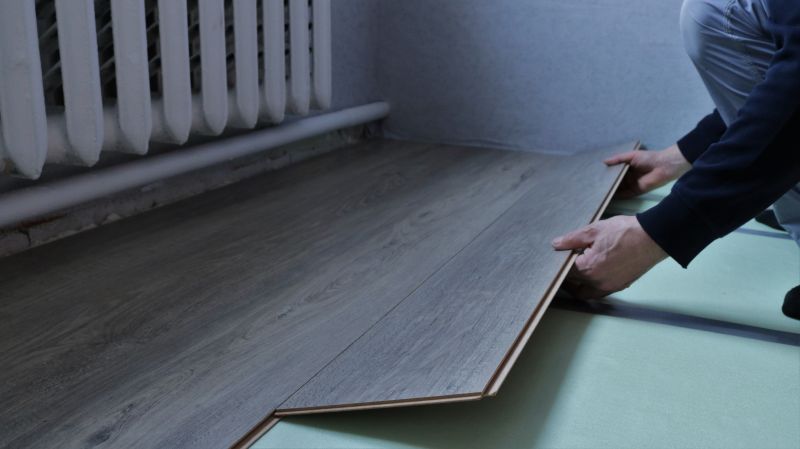
When comparing service providers for commercial laminate flooring versus traditional hardwood installation, it’s important to consider their experience with similar projects. Homeowners should look for local contractors who have a proven track record of successfully completing flooring jobs comparable in scope and material type. This experience can indicate familiarity with the specific requirements of commercial laminate flooring, such as subfloor preparation and installation techniques, as well as the nuances of hardwood work. Asking for examples of past projects or references related to these flooring options can help gauge a contractor’s expertise and comfort level with the materials involved.
Clear, written expectations are essential when selecting a service provider for flooring installation. Homeowners should seek contractors who can provide detailed descriptions of the work process, including preparation steps, material handling, and finishing procedures. A comprehensive scope of work helps ensure there are no surprises during the project and that all parties are aligned on the deliverables. Good communication also involves upfront discussions about timelines, potential challenges, and maintenance considerations, which can help prevent misunderstandings and foster a smoother project experience.
Reputable references and strong communication skills are key indicators of a dependable flooring contractor. Homeowners are encouraged to ask for references from previous clients, especially those who had similar flooring materials installed in commercial settings. Feedback from past customers can reveal insights into the contractor’s professionalism, punctuality, and quality of work. Additionally, service providers who are responsive and transparent in their communication demonstrate a commitment to customer satisfaction. This openness can make it easier to address questions or concerns throughout the project, ultimately leading to a more positive outcome for the flooring installation.
Get a Quote for Commercial Laminate Flooring Or Hardwood Installation
Property owners often search for commercial laminate flooring vs. traditional hardwood when they are planning practical projects around their homes and businesses. Local pros provide Commercial Laminate Flooring or Hardwood Installation services for everyday jobs and straightforward project options.
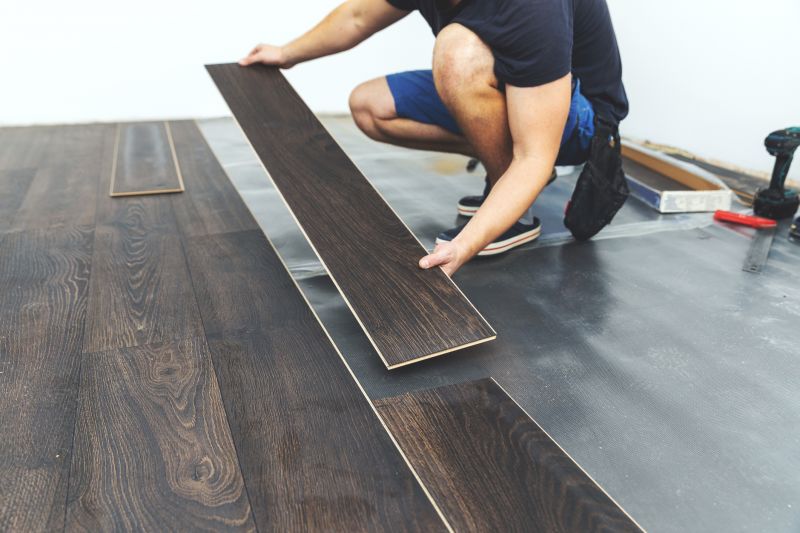
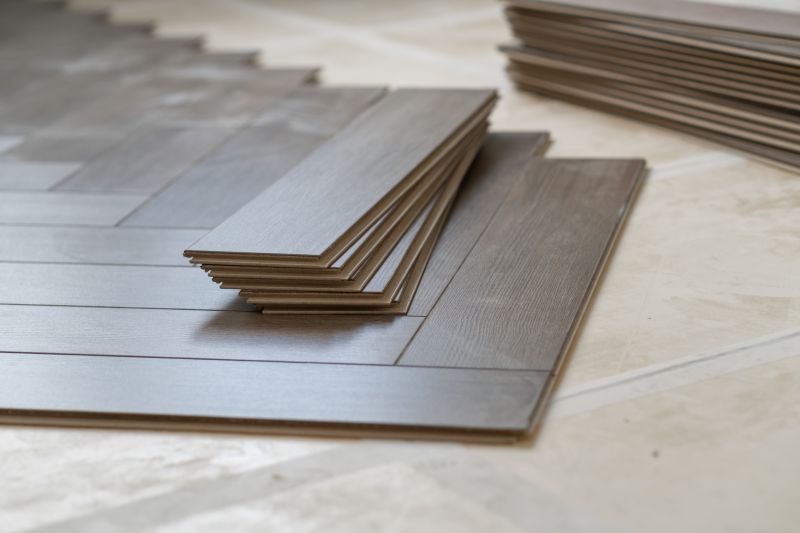
When considering flooring options for busy commercial spaces or high-traffic areas in residential properties, property owners often compare commercial laminate flooring versus traditional hardwood. Commercial laminate flooring is known for its durability and resistance to scratches, dents, and moisture, making it a practical choice for spaces that see frequent use. On the other hand, traditional hardwood offers a classic, timeless look that can enhance the aesthetic appeal of a home or business, but it may require more maintenance and care over time. Property owners seeking a flooring solution that balances appearance with longevity often look into services provided by local contractors who specialize in either of these materials to find the best fit for their specific project needs.
In everyday project situations, property owners might choose between commercial laminate flooring and hardwood based on factors like budget, installation complexity, and long-term upkeep. For instance, those with active commercial environments or families with children may prioritize the toughness of laminate, while homeowners wanting a warm, elegant atmosphere might lean toward hardwood. Local service providers can assist in evaluating the space, guiding choices, and handling the installation process to ensure the selected flooring meets the property's functional and aesthetic requirements. Connecting with experienced contractors can help simplify the decision-making process and ensure the flooring installation aligns with the property’s needs.
Get a Quote for Commercial Laminate Flooring Or Hardwood Installation
How does the durability of commercial laminate flooring compare to traditional hardwood? Commercial laminate flooring generally offers higher resistance to scratches, dents, and moisture, making it suitable for high-traffic areas. Traditional hardwood can be more prone to damage from impact and moisture but provides a natural appearance. Local contractors can recommend the best option based on the specific environment and usage.
What are the maintenance differences between commercial laminate flooring and hardwood? Commercial laminate flooring typically requires less maintenance, needing only regular sweeping and occasional damp mopping. Hardwood may need refinishing or polishing over time to maintain its appearance. Service providers can advise on maintenance routines tailored to each flooring type.
Can commercial laminate flooring be installed over existing floors, and how does that compare to hardwood installation? Many commercial laminate options can be installed over existing flooring with proper subfloor preparation, which can simplify installation. Hardwood usually requires removal of existing flooring and a more involved installation process. Local pros can evaluate the current space to recommend the best approach.
How do the aesthetics of commercial laminate flooring compare to traditional hardwood? Commercial laminate flooring offers a wide variety of styles and patterns that mimic hardwood, stone, or tile, providing versatile design options. Hardwood naturally has a unique grain and texture that many find appealing. Service providers can help select the style that aligns with the desired aesthetic.
Is commercial laminate flooring suitable for areas with high moisture or humidity compared to hardwood? Yes, commercial laminate flooring is generally more resistant to moisture and humidity, making it suitable for spaces like kitchens or basements. Hardwood can be sensitive to moisture, which may lead to warping or damage. Local contractors can recommend the best flooring for specific environmental conditions.
Durability considerations - Property owners can evaluate whether commercial laminate flooring or traditional hardwood better withstand high foot traffic in busy areas by consulting local contractors.
Style and design options - Choosing between the two flooring types for aesthetic appeal can involve exploring various finishes and textures with local service providers.
Installation methods - Understanding the differences in installation processes helps property owners plan for appropriate subfloor preparations with local pros.
Maintenance requirements - Deciding which flooring type aligns with maintenance routines can be guided by local experts knowledgeable about cleaning and care practices.
If you are thinking about commercial laminate flooring vs. traditional hardwood for a property, this guide is meant to help you understand this topic, the typical project types, and how different options might fit your plans.
When you are ready, you can use the quote form on this page to share a few details about your project. From there, local pros can review the basics and follow up with options that match what you have in mind.
Get a Quote for Commercial Laminate Flooring Or Hardwood Installation